If you have finished a track and wondered why it does not sound as polished as professional releases, the answer often lies in mastering. It is one of those terms that gets mentioned constantly in music production conversations, yet it is not always clear what actually happens during the process. So, if you’ve ever wondered what is mastering in music then you’ve come to the right place. Music Mastering is the final stage of audio post-production, and it is the step that prepares your finished mix for the world to hear.
What is Mastering in Music?
Mastering is the final quality check in the recording process and the initial step in the production process for an audio project such as a CD, an album, or a single. It is a form of audio post-production that prepares and transfers recorded audio from a source containing the final mix to a format ready for release.
At its core, mastering is about optimisation. The aim is to put the finishing touches on a song by enhancing the overall sound, making it polished, consistent, and ready for distribution. The mastering engineer works on the final stereo mix rather than individual instrument tracks, applying precise adjustments so the music translates well across every playback system.
Mastering is often described as the ultimate quality-control measure before your music is released. It is the last chance to catch problems, correct imbalances, and ensure the track sounds its absolute best everywhere it is heard.
Mixing vs Mastering: What Is the Difference?
One of the most common questions in music production is where mixing ends and mastering begins. Mixing is the process of balancing the individual tracks within your session. When you mix, you adjust levels, panning, and effects on each instrument so they sit together as one cohesive piece of music.
Mastering happens after the mix is finished. Instead of working with dozens of individual tracks, the mastering engineer usually receives a single stereo mixdown. They then apply processing to the whole track to enhance the overall sound, resolve any remaining issues, and prepare the audio for its intended release format.
What Does Mastering Actually Do?
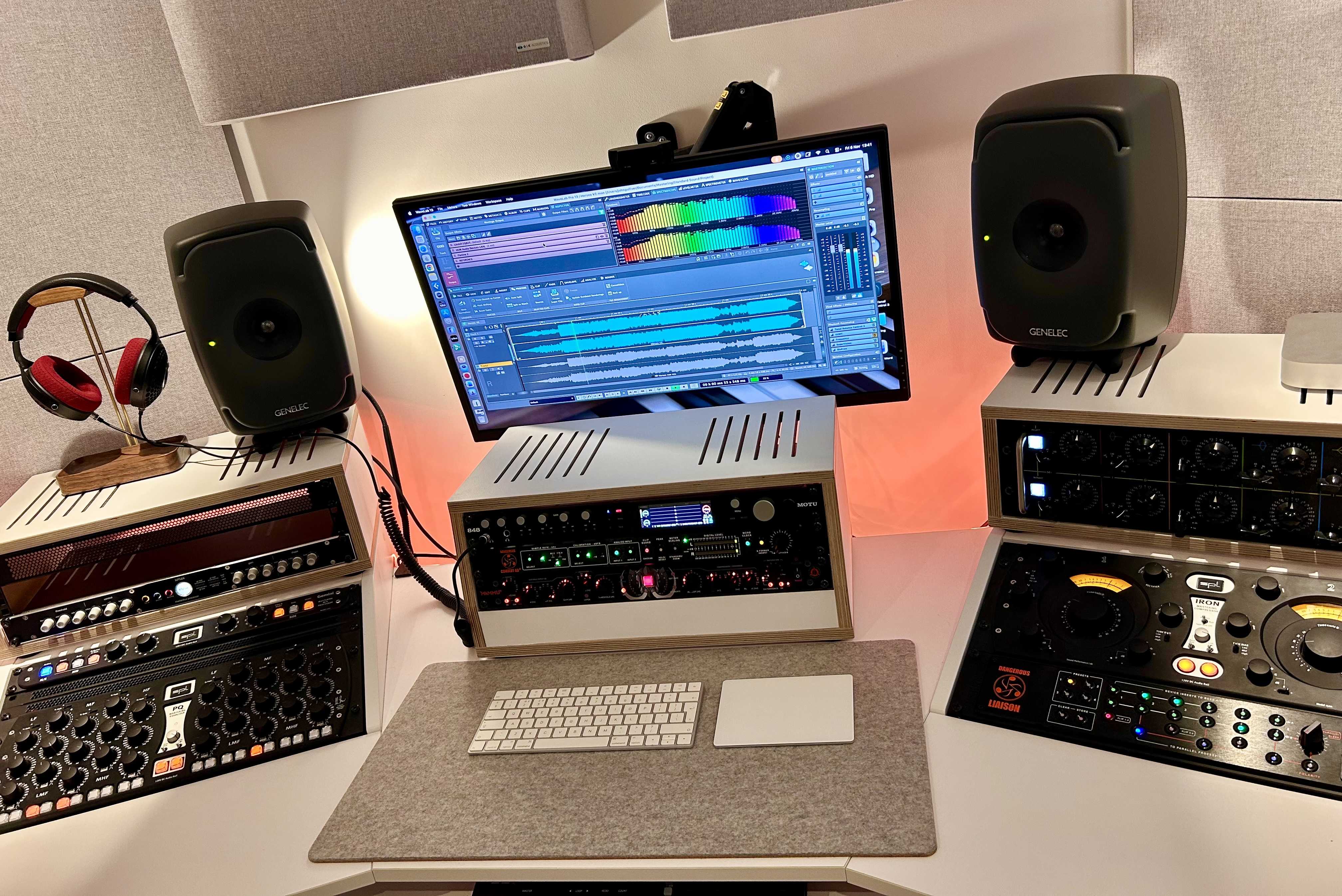
Mastering involves balancing the sonic elements of a track using tools such as equalisation, compression, limiting, and stereo enhancement. Each tool has a specific job, and together they shape the character and consistency of the final master.
Equalisation
Equalisation, or EQ, adjusts the balance of frequencies across the track. A mastering engineer might tame harsh high frequencies, add warmth or body to the low end, or remove problematic resonances. The goal is a balanced frequency response so that no part of the spectrum overpowers another and the track sounds natural on any system.
Compression
Compression controls the dynamic range of the track, which is the difference between the loudest and quietest parts. By applying compression carefully, the engineer can smooth out level inconsistencies and glue the elements together. This helps the track maintain energy, impact, and a consistent feel from start to finish.
Limiting
Limiting is a more extreme form of compression that prevents the audio from exceeding a set ceiling. It allows the track to be loud without clipping or distorting. This matters because commercial releases are expected to sit at a certain loudness, and limiting ensures your music can compete alongside them without breaking up.
Stereo Enhancement
Stereo enhancement adjusts the width and spatial presentation of the track. It can make the mix feel wider and more immersive or tighten the stereo image if it feels unstable. A skilled engineer uses this carefully so the track still works in mono, which is important for club systems and small speakers.
Why Mastering Matters for Your Release
Mastering takes a good mix and gives it the final polish it needs to sound professional. It ensures your music is consistent, polished, and ready for the formats your listeners will actually use.
Consistency is one of the biggest reasons mastering matters. If you are releasing an album or an EP, mastering makes all the tracks sit together as a coherent whole. Volume levels, tonal balance, and overall character should feel unified, not like a collection of disconnected songs with different sounds.
Translation is another key reason. A track that sounds fantastic in your studio might sound dull, harsh, or unbalanced on other systems. Mastering optimises the track for consistent playback across all devices, so the music sounds good in the car, on headphones, through a phone speaker, and on a club sound system.
Mastering is also the ultimate safety net. It is the final quality-control measure before your music reaches the public, the last step where problems can be caught and corrected. Skipping it means sending your music out with whatever issues remain in the mix.
A Brief History of Mastering
Mastering has been a part of music production for decades. Long before the digital era, magnetic tape was commonly used to create master copies. Engineers would transfer the final mix to tape, and that master copy would then be used to manufacture records or other formats.
The role of the mastering engineer evolved as formats changed. Vinyl, CD, and streaming each brought their own technical requirements, and the engineer had to understand how the music would be pressed, cut, or encoded and prepare the audio accordingly.
Today, mastering can be carried out using software in a home studio, but the principles remain the same. It is still about preparing and transferring recorded audio from the final mix to a format that is ready for release.
Mastering for Different Release Formats
The way a master is prepared depends on where the music will be heard. A track mastered for vinyl needs different treatment from one mastered for streaming, and a track prepared for club playback needs different loudness and low-end handling than one intended for headphones.
Vinyl mastering, for example, requires special attention to bass levels and stereo phase because of the physical limitations of the medium. Streaming platforms apply their own loudness normalisation, so a master intended for streaming might leave more headroom rather than pushing maximum loudness.
This is why many artists now ask for format-specific mastering. The engineer can tailor the master to the intended release, whether that is a CD, vinyl, streaming, or a combination of all three. Understanding the destination helps the engineer make better decisions at every stage of the process.
Human Mastering vs Automated Mastering
With the rise of software-based mastering, artists now have a choice between human mastering engineers and automated systems. Automated tools can quickly produce a loud and polished-sounding master, and they can be a useful reference point for comparing your own work.
However, mastering is not just technical processing. A human engineer brings experience, trained ears, and musical judgement to the session. They can hear context, make creative decisions, and respond to the specific needs of each track. They also offer a fresh perspective, hearing the track for the first time without the biases of someone who has spent weeks working on it.
Many boutique mastering services, including Orange Polygon, use a hybrid analogue-digital approach, combining the character and warmth of analogue hardware with the precision of digital tools. For artists in electronic and bass-heavy genres, this hybrid approach can deliver a more musical and satisfying result than automated processing alone.

How to Know if Your Track Needs Mastering
Every released track needs mastering. Even if the mix is excellent, mastering prepares the audio for distribution and ensures it meets the technical requirements of the platforms you are using.
There are signs that a track has not been mastered. The volume might sit lower than comparable commercial releases, the bass might sound uneven on different systems, or the track might feel less polished overall. If you have compared your mix to a reference track and noticed these gaps, mastering is the missing step.
The good news is that you do not have to guess. Many professional mastering services offer a free test master, allowing you to hear what a professional engineer can do with your track before you commit. This lets you evaluate the result with your own ears and make an informed decision about whether the service is right for you.
Frequently Asked Questions
Here are the answers to some of the most common questions about mastering in music.
Is mastering really necessary?
Yes, if you want your music to sound professional and consistent across different playback systems. Mastering is the final quality check that prepares your track for distribution. While a great mix is essential, mastering adds the finishing touches that help your music compete with commercial releases. It also catches problems that might otherwise go unnoticed until after release.
What does mastering do to your song?
Mastering balances the sonic elements of your track using equalisation, compression, limiting, and stereo enhancement. It makes the loudness consistent, tightens the overall sound, and prepares the audio for the format you are releasing. The result is a polished, cohesive track that translates well across different playback systems, from studio monitors to phone speakers.
What is mixing vs mastering?
Mixing is the process of balancing the individual tracks in your session, adjusting levels, panning, and effects on each instrument. Mastering is the final stage that works on the finished stereo mixdown, preparing it for release. Mixing creates the balance within the song, while mastering optimises and polishes the final result so it sounds consistent everywhere.