Analogue Studio Equipment
Our analogue equipment has been carefully selected to provide a range of tonal, dynamic and stereo processing options. Combined with high-quality conversion at both ends of the chain, it allows us to use analogue processing where it genuinely benefits the music rather than following a fixed mastering chain.
Critical listening is just as important as the equipment itself. Our studio is acoustically treated with professional absorption and diffusion from GIK Acoustics, helping us make accurate decisions about tonal balance, dynamics and how your music will translate across different playback systems.
At the heart of our analogue mastering chain is the Dangerous Music Liaison, which allows us to change the order of our hardware processors for each project. EQ can come before or after compression, for example, giving us the flexibility to build the signal path around what works best for your music.
- Rupert Neve Master Bus Transformer (MBT)
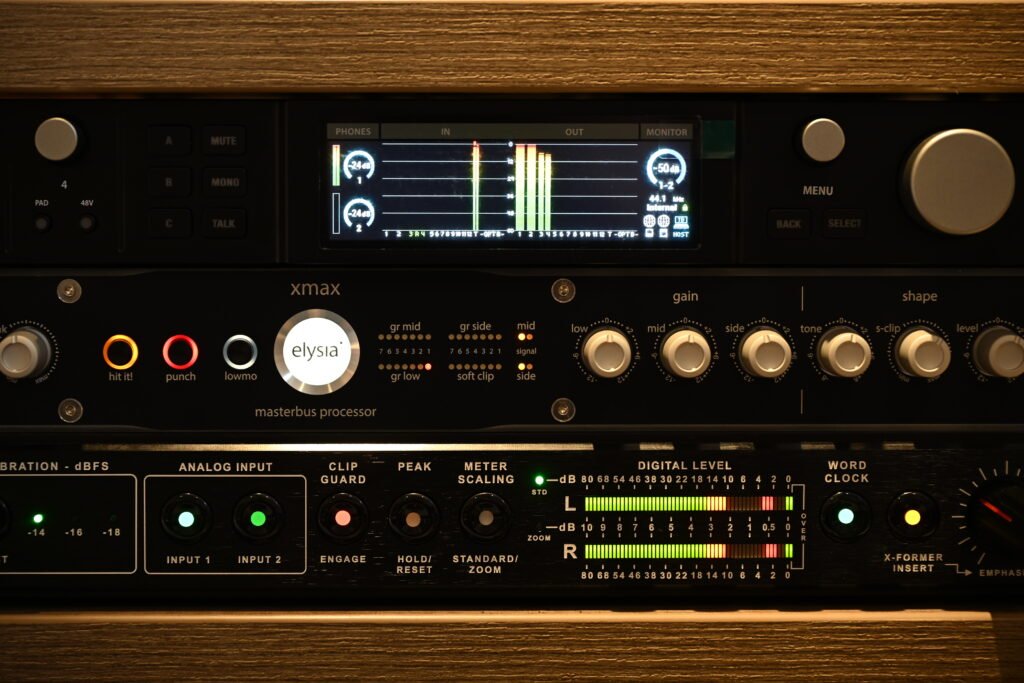
- Elysia Xmax – multiband compressor
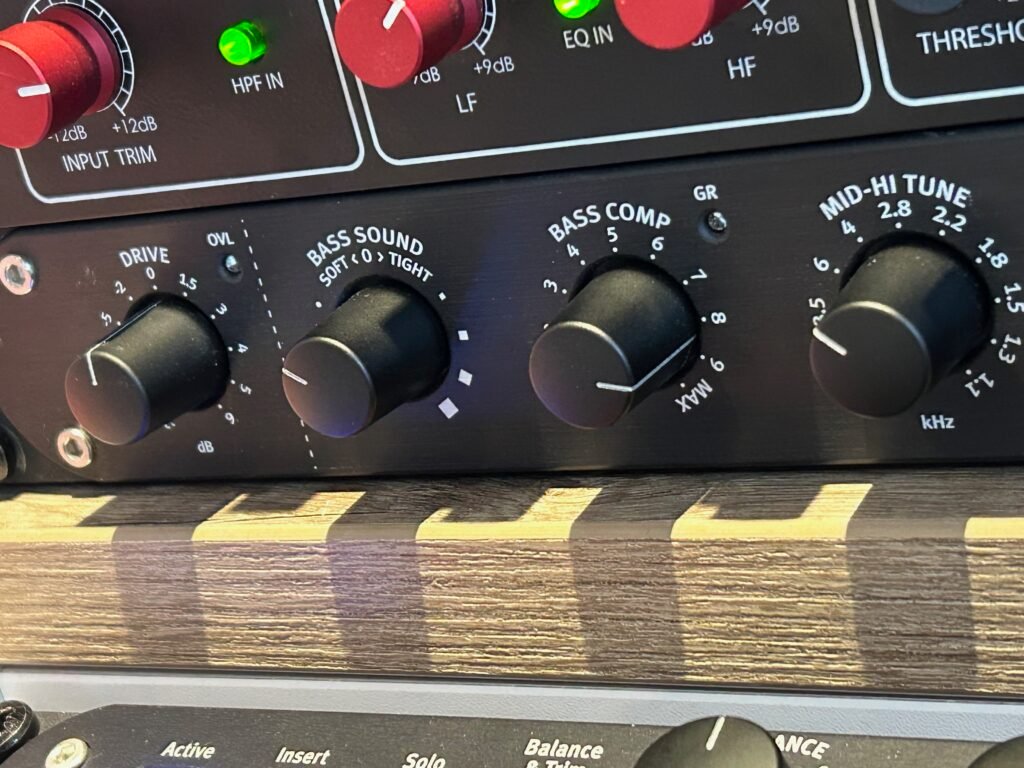
- SPL Gemini – mid-side processor
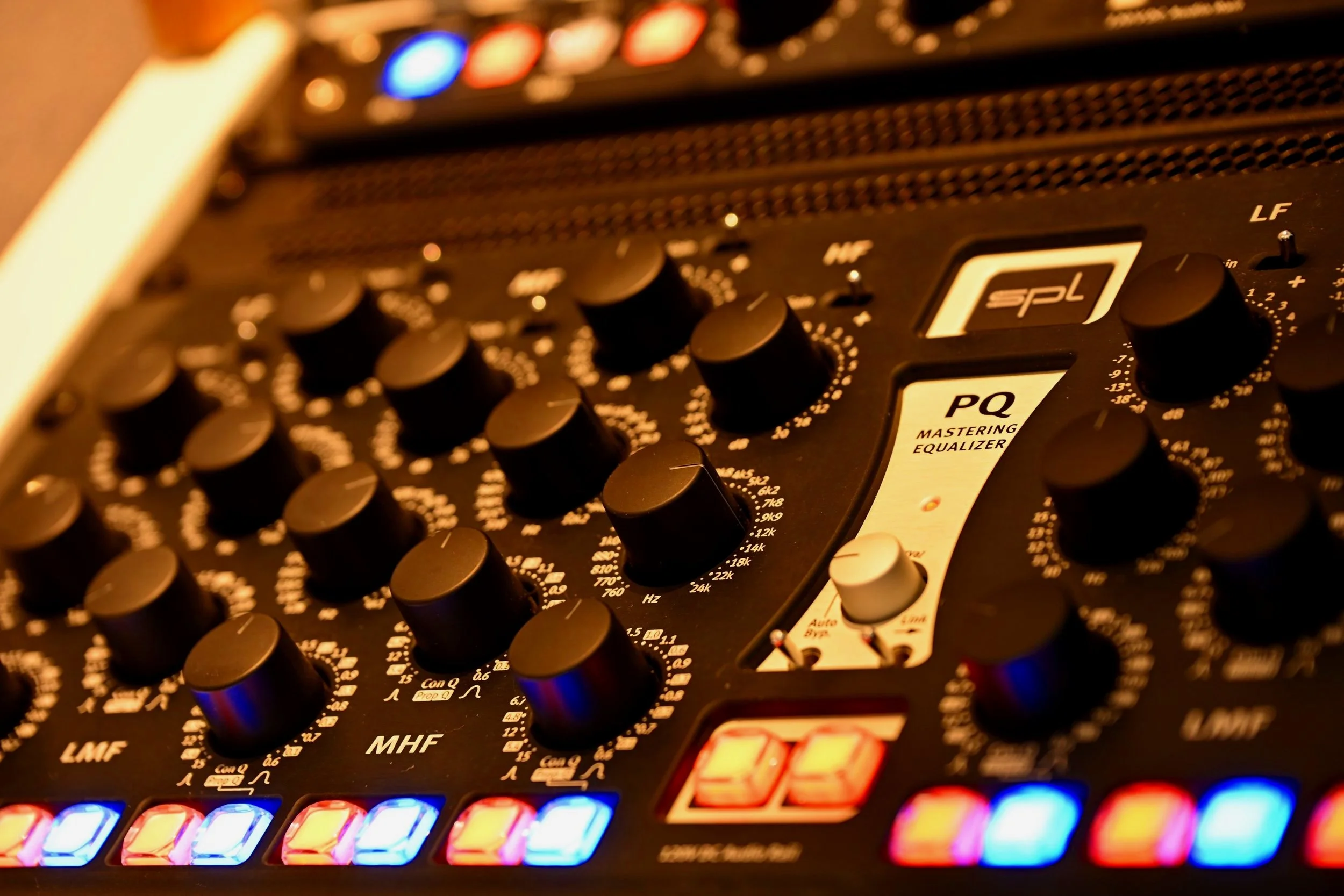
- SPL PQ – 5-band mastering equaliser
- SPL Iron – mastering compressor
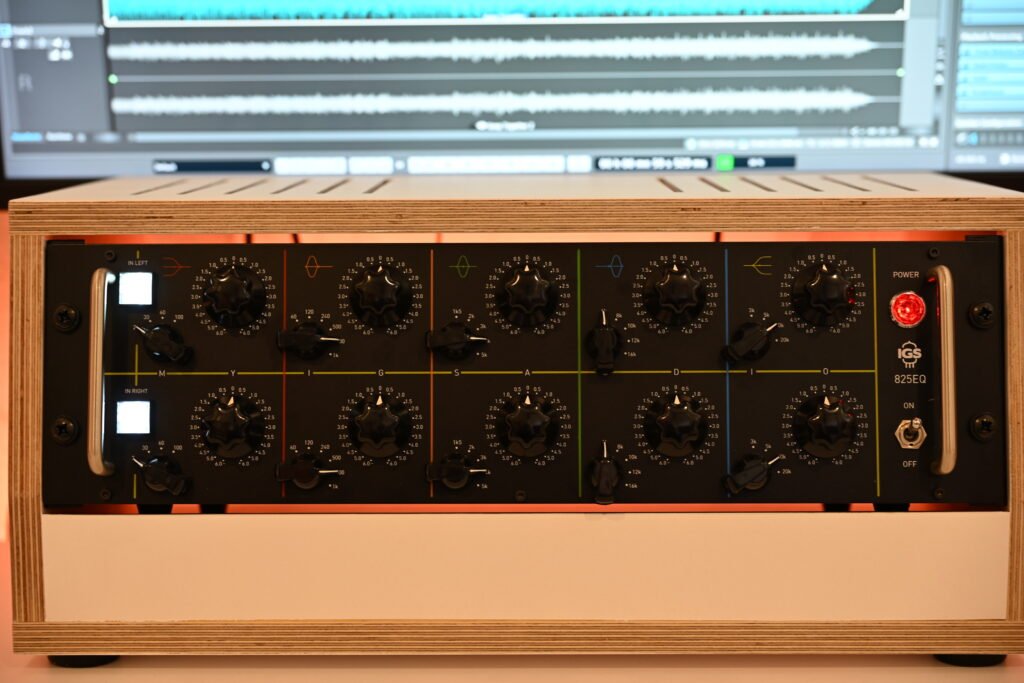
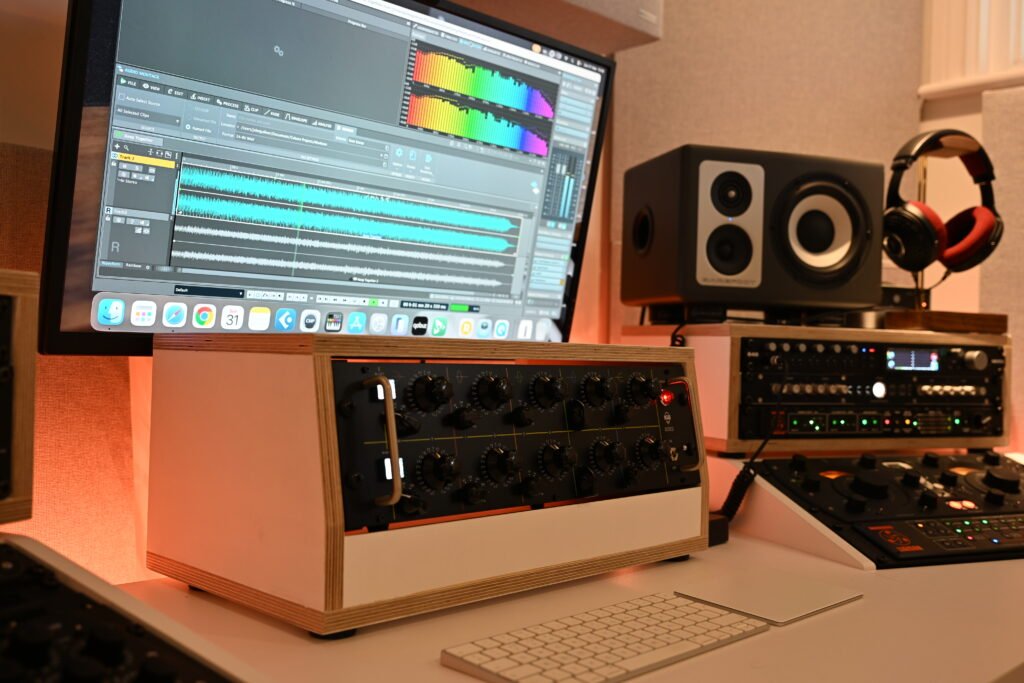
- IGS Audio 825 tube EQ
- MOTU 848 audio interface
- Dangerous Music Convert AD+
- Dangerous Music Liaison (analogue patch-bay)
- Barefoot Footprint 03 speakers
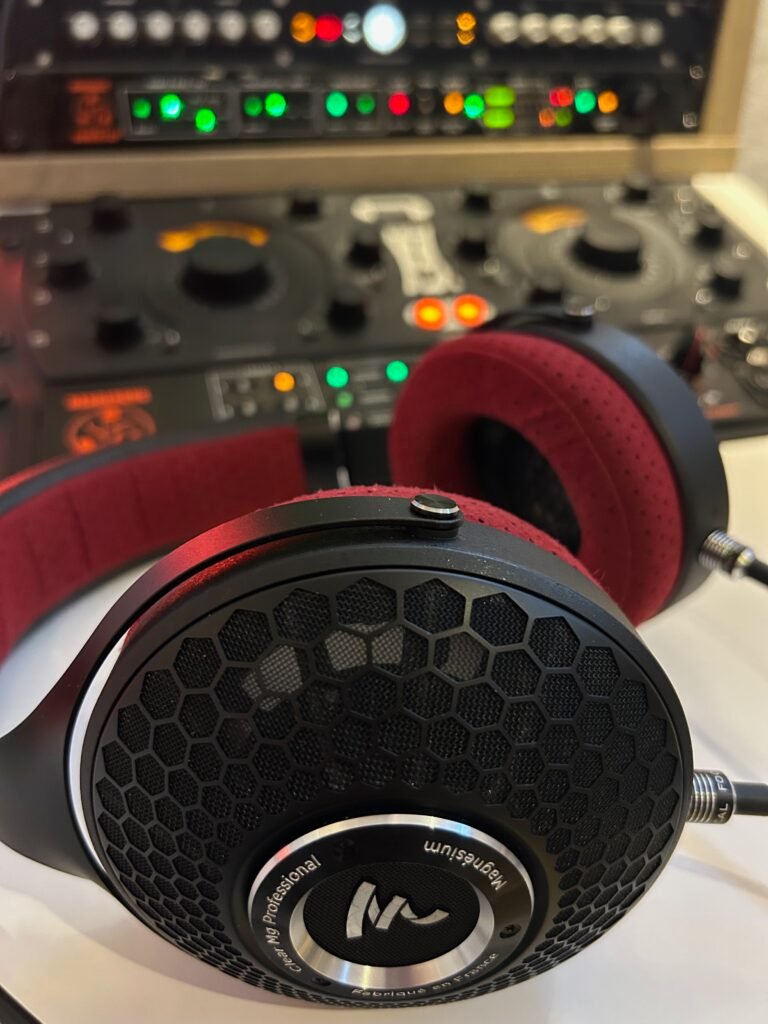
- Focal MG Clear Professional headphones
- Ruark MR1 stereo consumer speakers
- SSL G-comp (bus compressor)
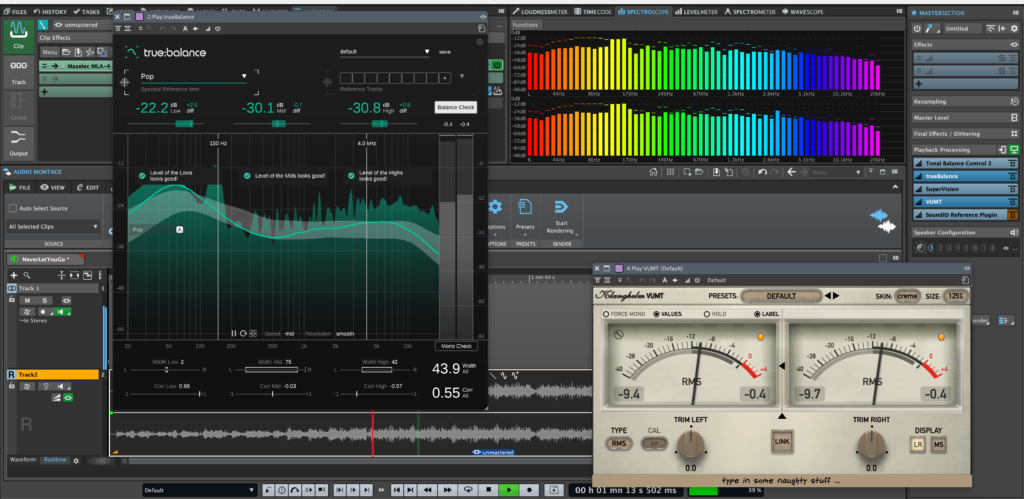
- Relab Development MLA-4 (Maselec multiband compressor)
- Relab Development MEA-2 (Maselec equalizer)
- Sonnox Oxford Limiter
- Leapwing LimitOne (lookahead limiter/clipper)
- Izotope Ozone 12 Advanced
- Sonible SmartLimit
- Reference 2 (for referencing your master against your mix or other tracks)
- WaveLab 12 Pro (mastering studio software)
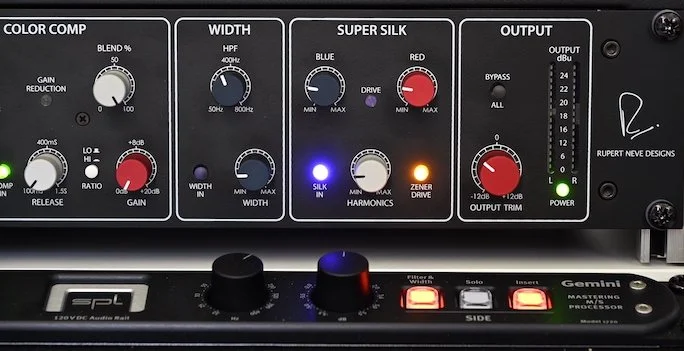
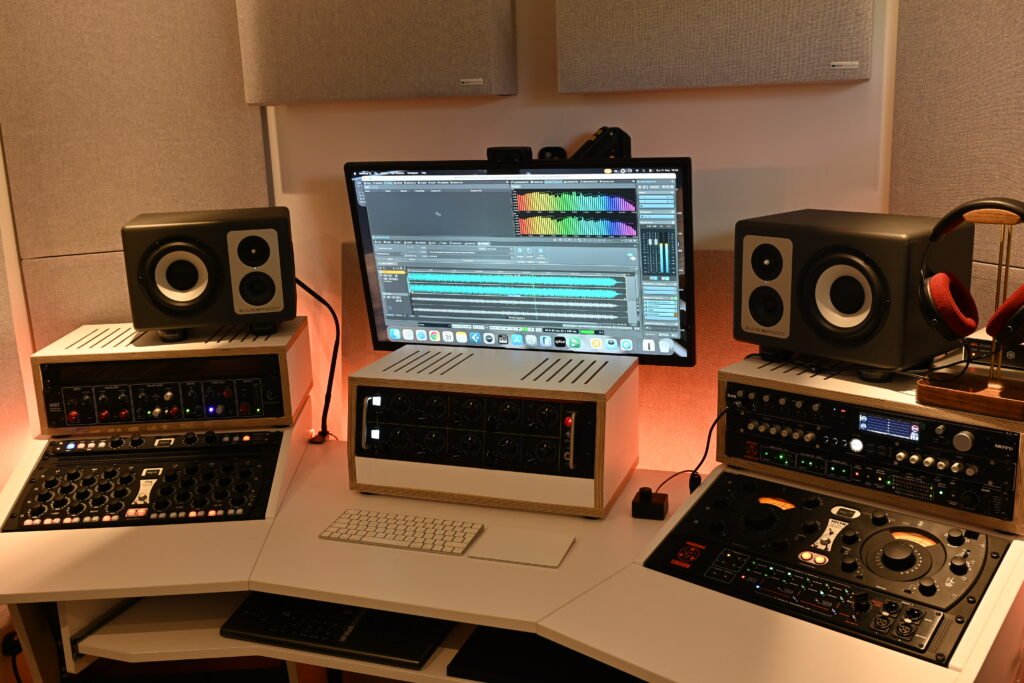
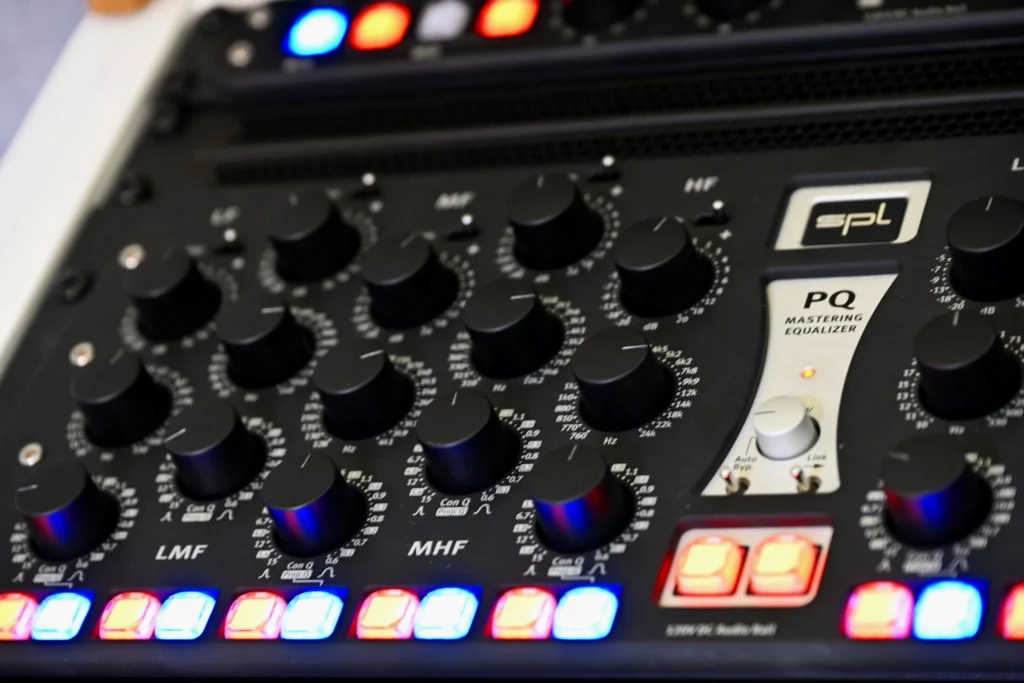
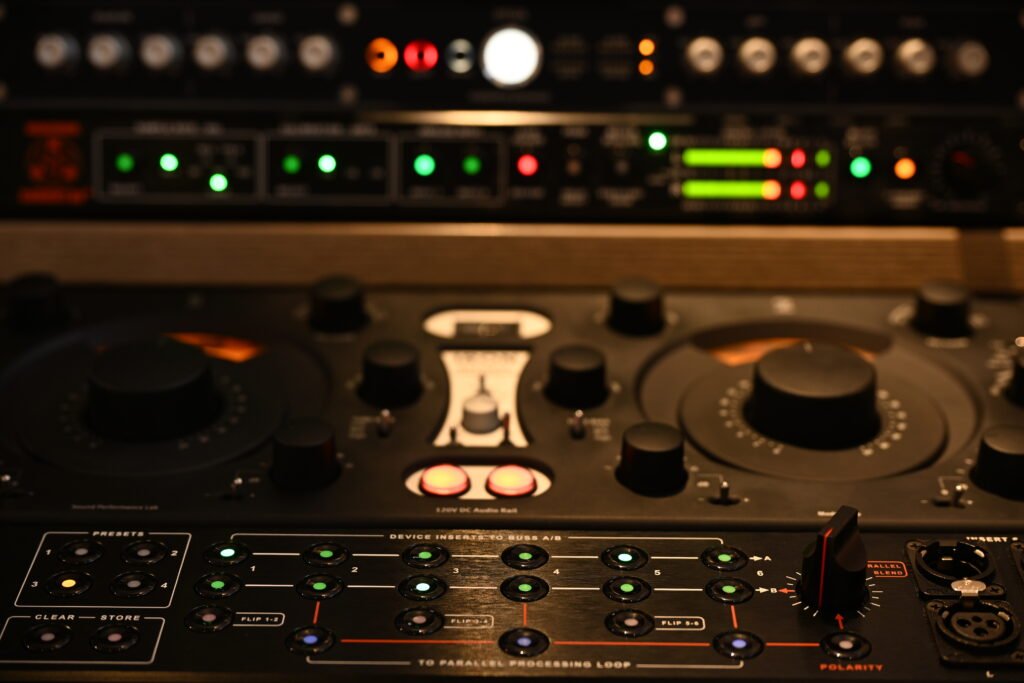
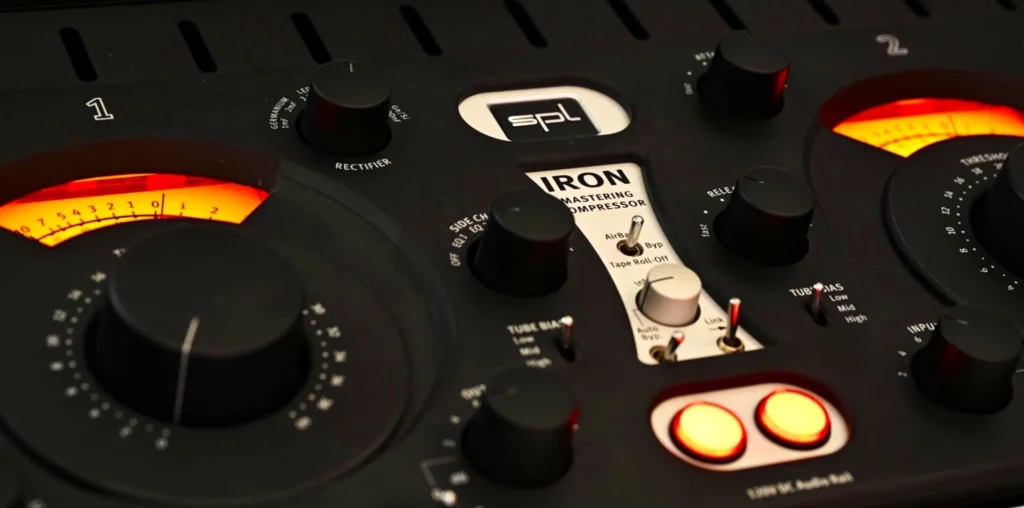
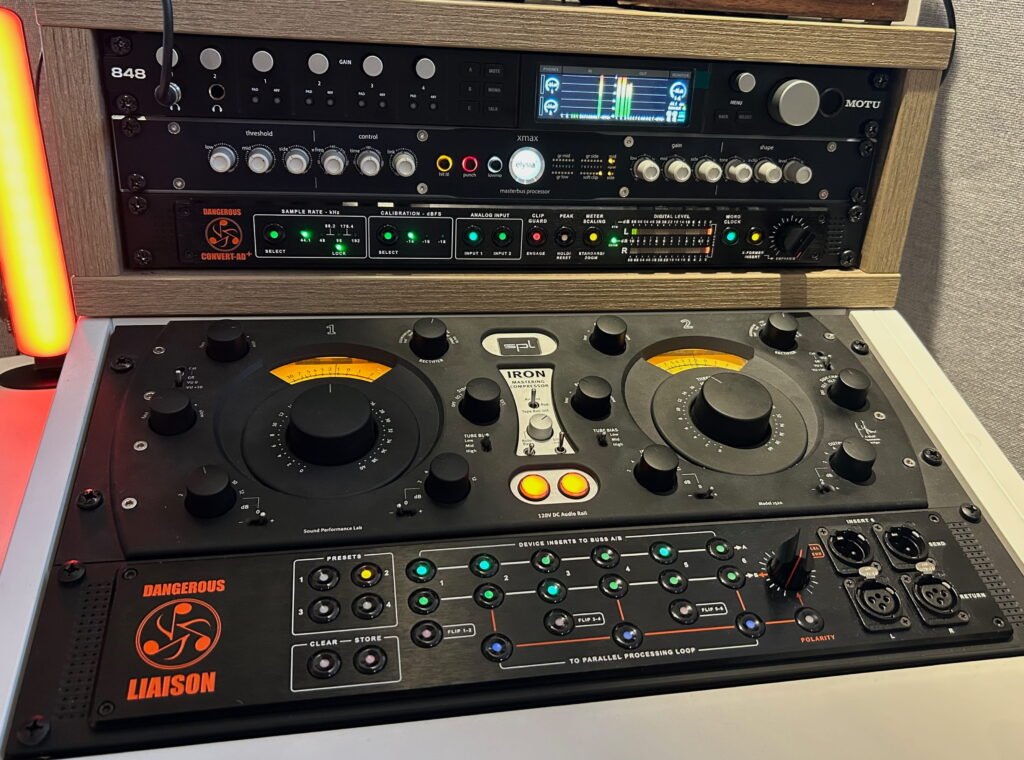
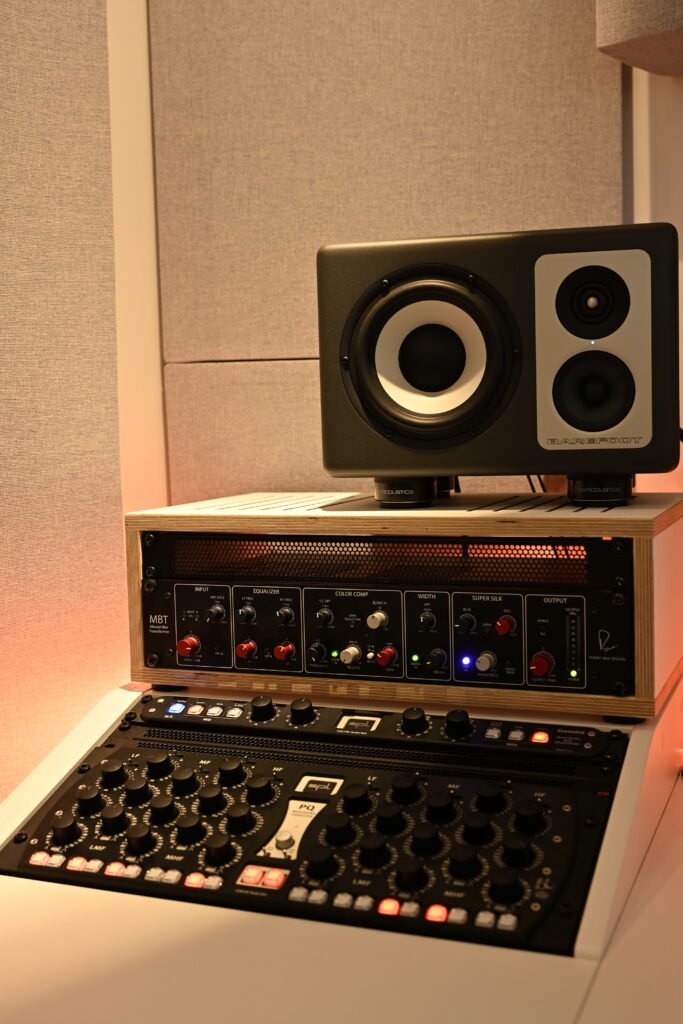
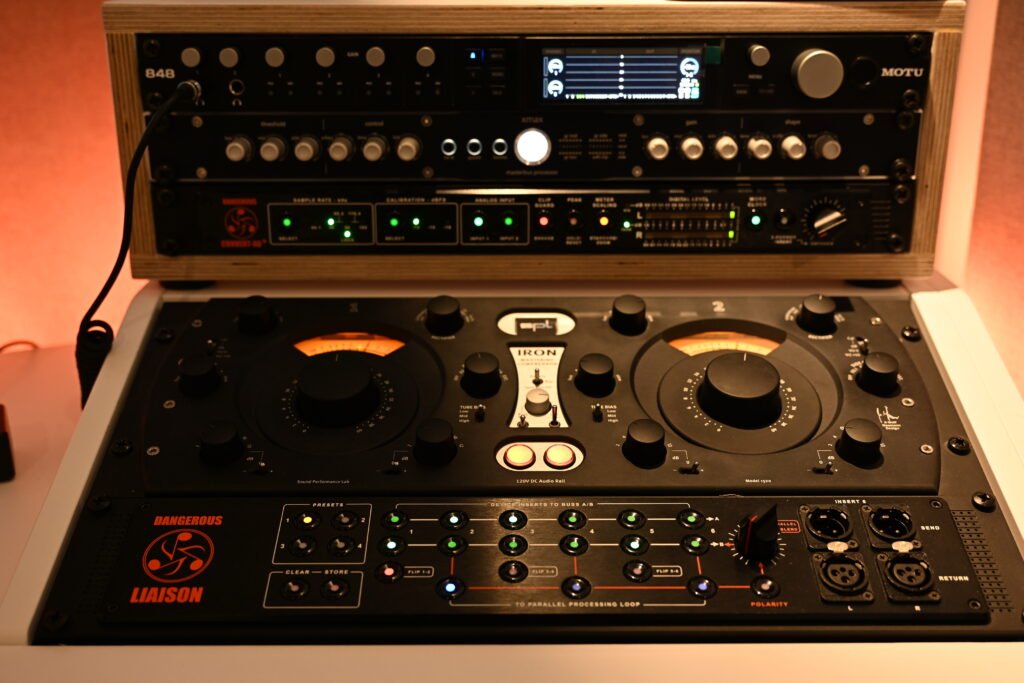
Analogue equipment can provide tonal and dynamic characteristics that are useful in mastering, from subtle colour and harmonic texture to compression and EQ. Different processors have their own character, giving us a range of options when shaping a master.
We use analogue processing when it benefits the music rather than simply because it is analogue.
Not necessarily. Analogue and digital processing each have their strengths, and the best choice depends on what the music needs. Analogue equipment can offer distinctive tonal and dynamic characteristics, while digital processing allows extremely precise control and is particularly useful for detailed adjustments and final limiting.
In practice, we use whichever approach gives us the result we’re looking for.
A hybrid mastering studio combines analogue equipment with digital processing. This allows us to use the character and processing options of analogue hardware alongside the precision and flexibility of modern digital tools.
Rather than following a fixed analogue or digital signal chain, we can choose the combination that best suits each track.