Premium Analogue Studio Equipment
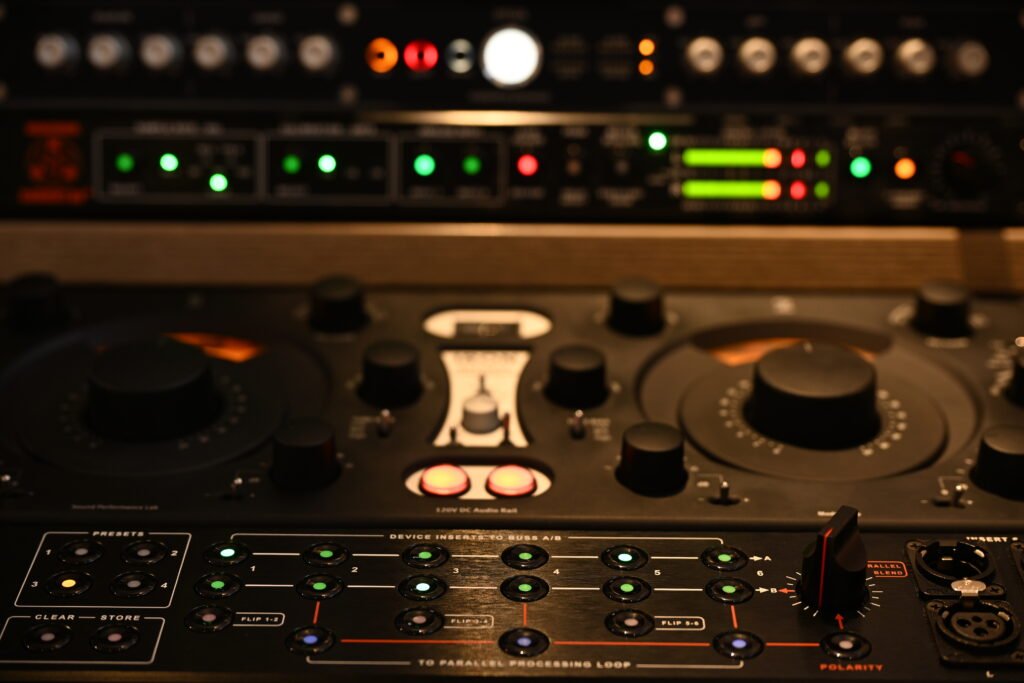
At the heart of our mastering studio is an analogue patch-bay (Liaison by Dangerous Music), allowing complete flexibility in the order of the different processors. EQ before compression, or compression before EQ? The Liaison patch-bay gives us complete flexibility to find exactly what’s best for your music.
We carefully selected this professional-grade equipment to provide the ideal toolkit for your project. See our current list below, including premium converters at both ends of the chain for the highest quality audio transfer.
Our mastering studio is acoustically treated with professional absorption and diffusion panels from GIK Acoustics. Acoustic treatment is key to providing the optimal environment for critical listening, ensuring your music is both tonally balanced and will transfer to a range of different playback systems.
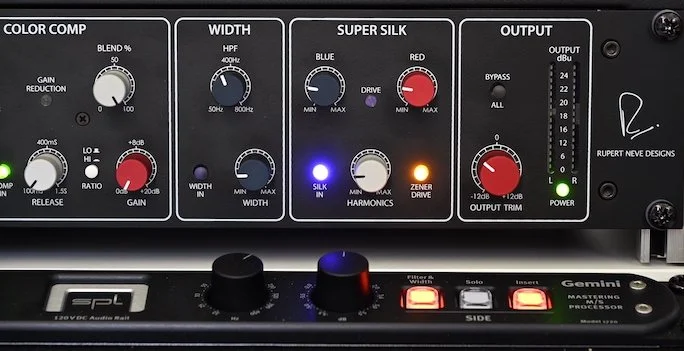
- Rupert Neve Master Bus Transformer (MBT)
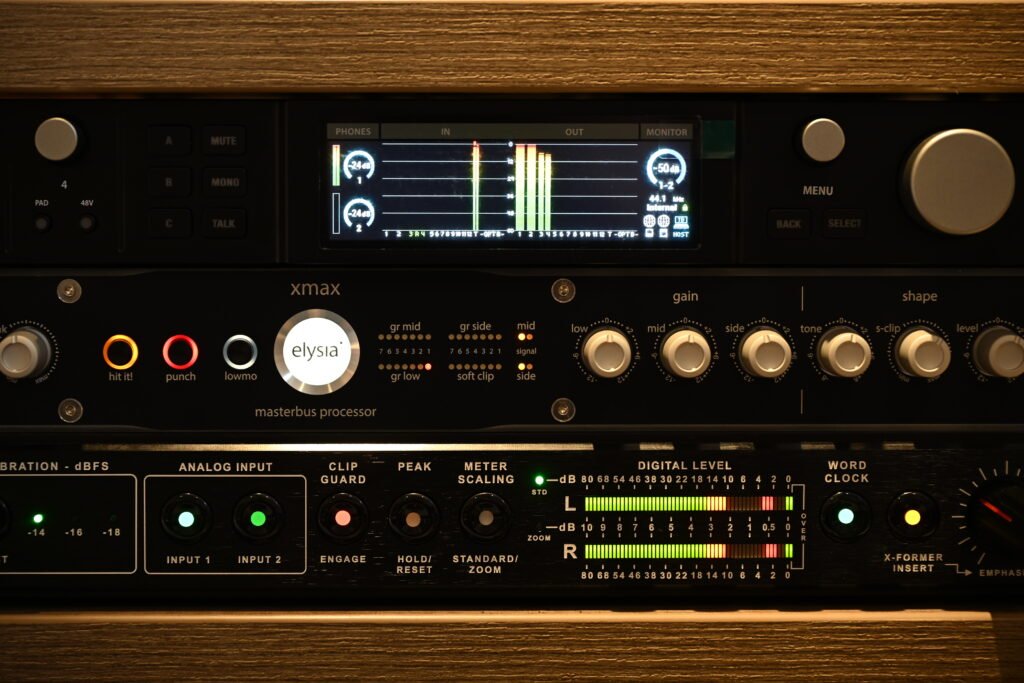
- Elysia Xmax – multiband compressor
- SPL Gemini – mid-side processor
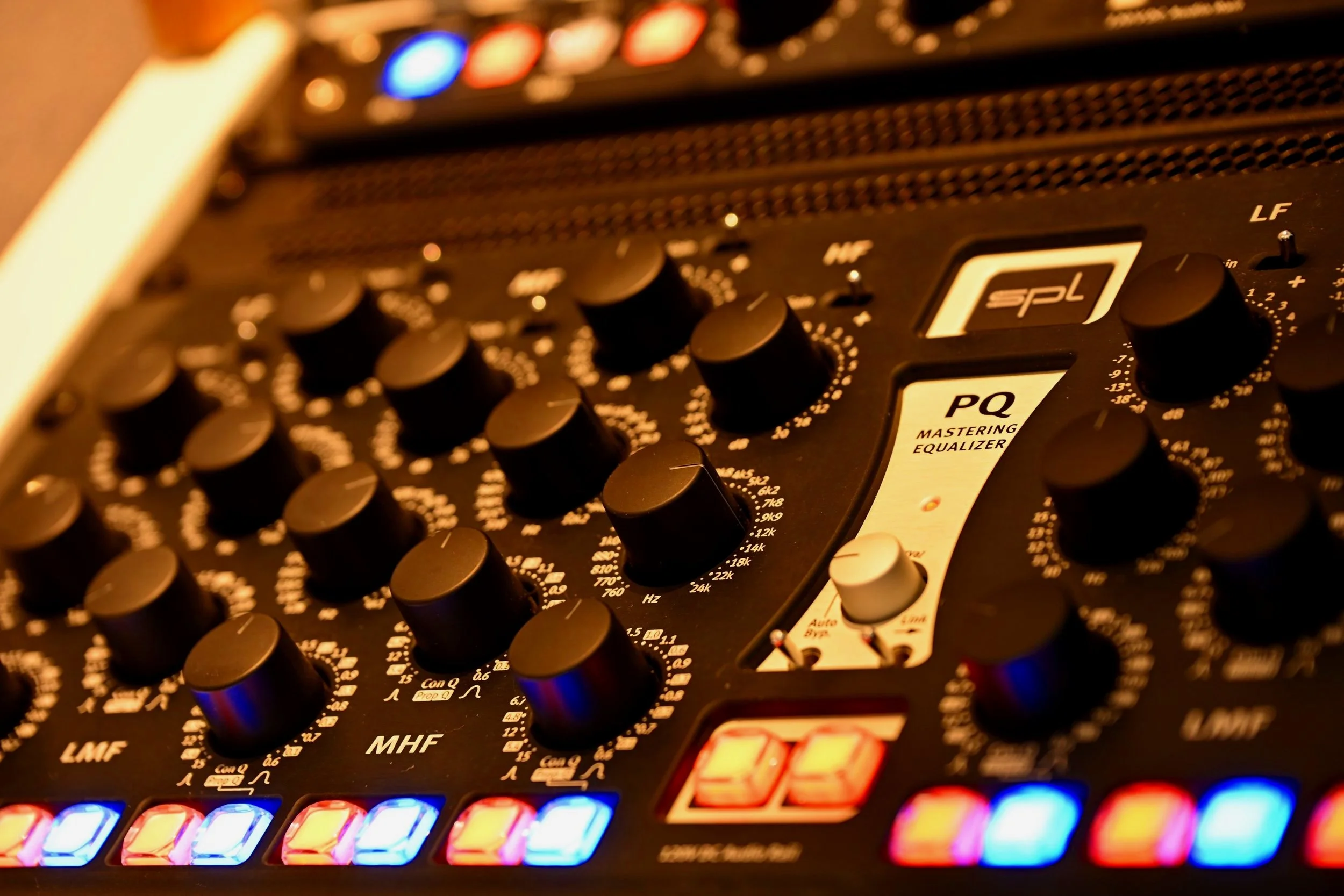
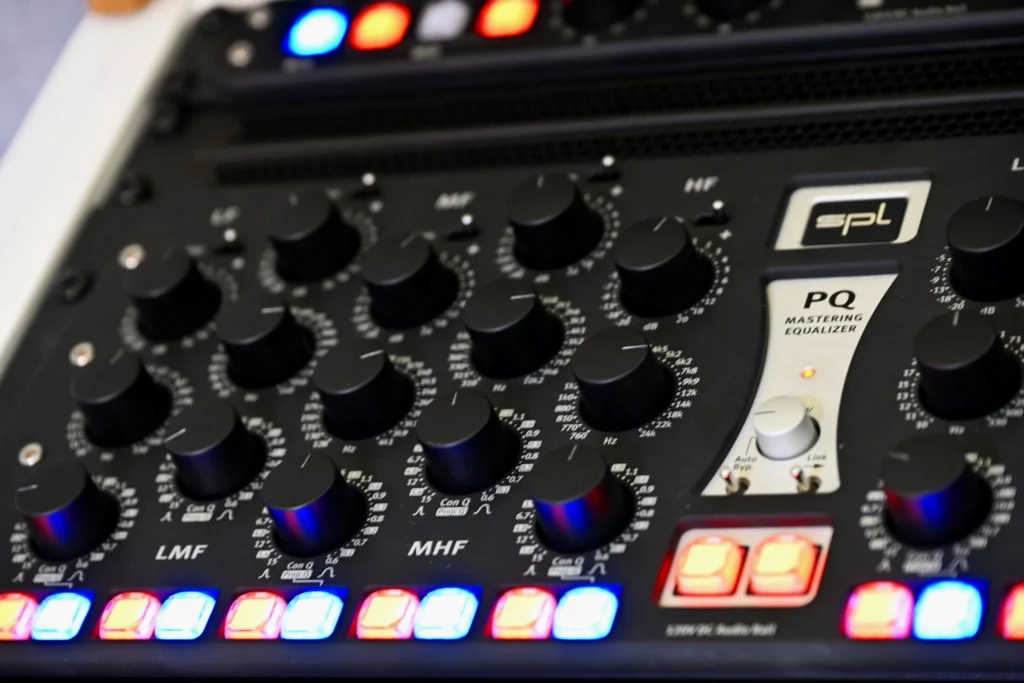
- SPL PQ – 5-band mastering equaliser
- SPL Iron – mastering compressor
- SPL Vitalizer MK3-T
- Motu 848 audio interface
- Dangerous Music Convert AD+
- Dangerous Music Liaison (analogue patch-bay)
- Barefoot Footprint 03 speakers
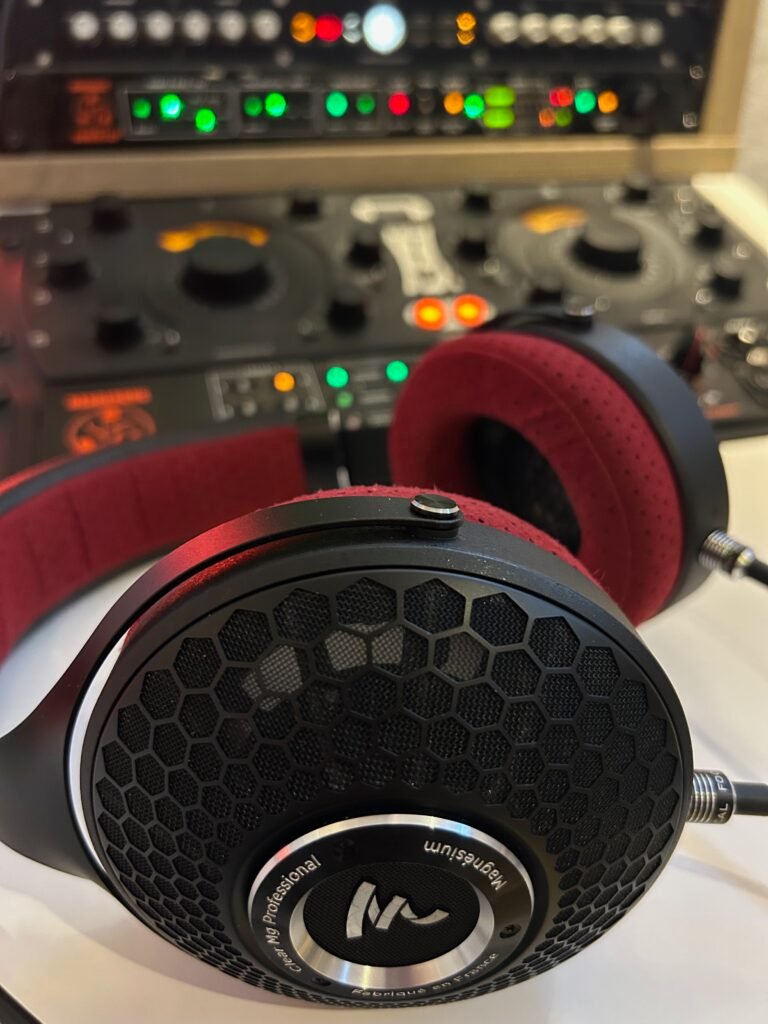
- Focal MG Clear Professional headphones
- Rurak MR1 stereo consumer speakers
- SSL G-comp (bus compressor)
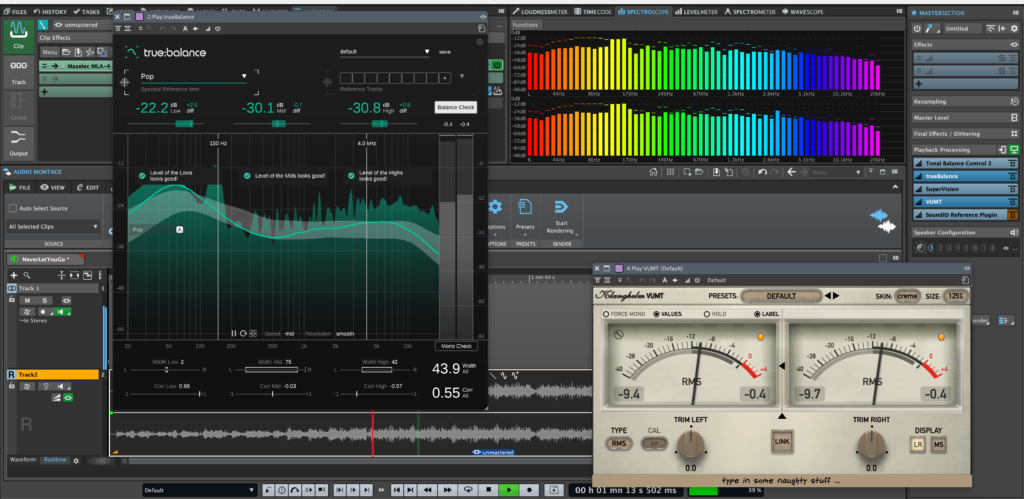
- Relab Development MLA-4 (Maselec multiband compressor)
- Relab Development MEA-2 (Maselec equalizer)
- Sonnox Oxford Limiter
- Leapwing LimitOne (lookahead limiter/clipper)
- Izotope Ozone 12 Advanced
- Sonible SmartLimit
- Reference 2 (for referencing your master against your mix or other tracks)
- Wavelab12 Pro (mastering studio software)
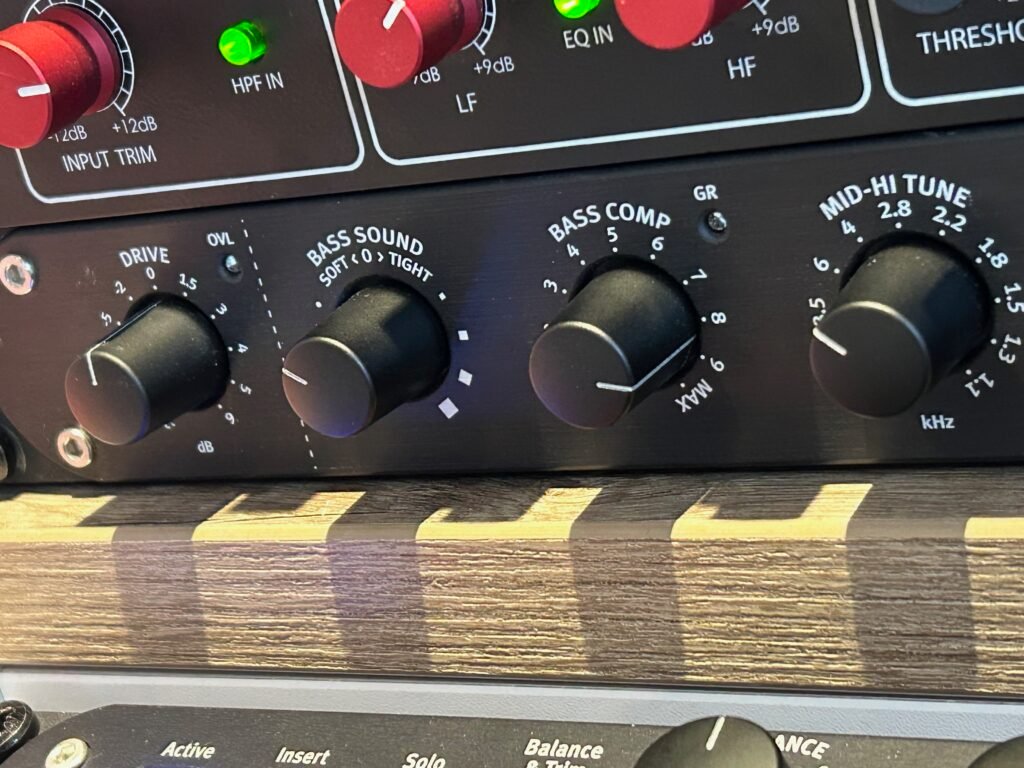
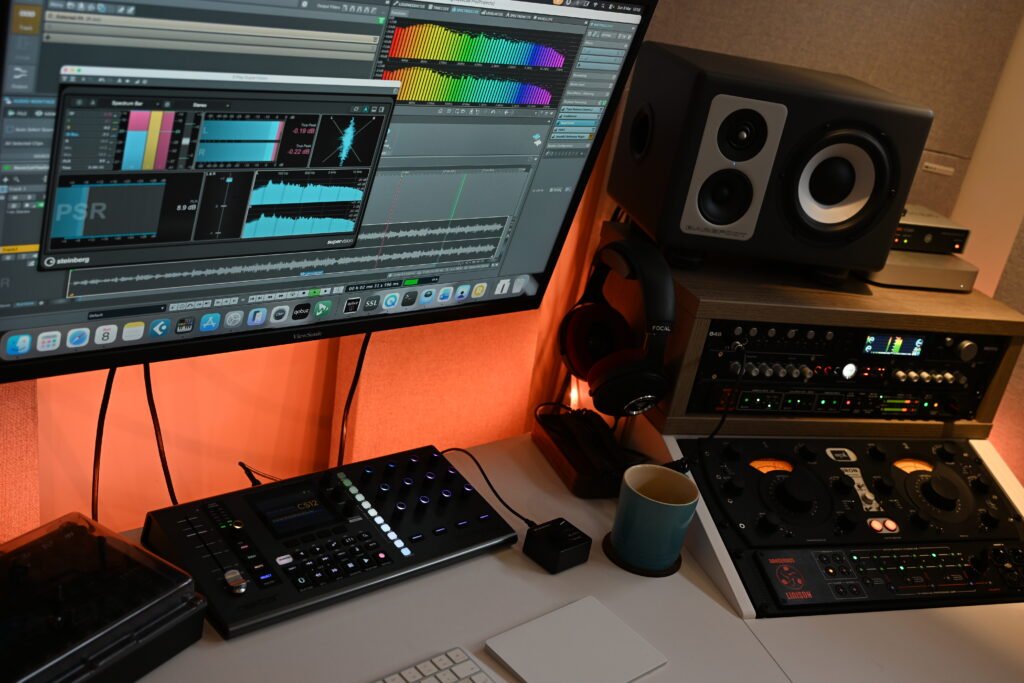
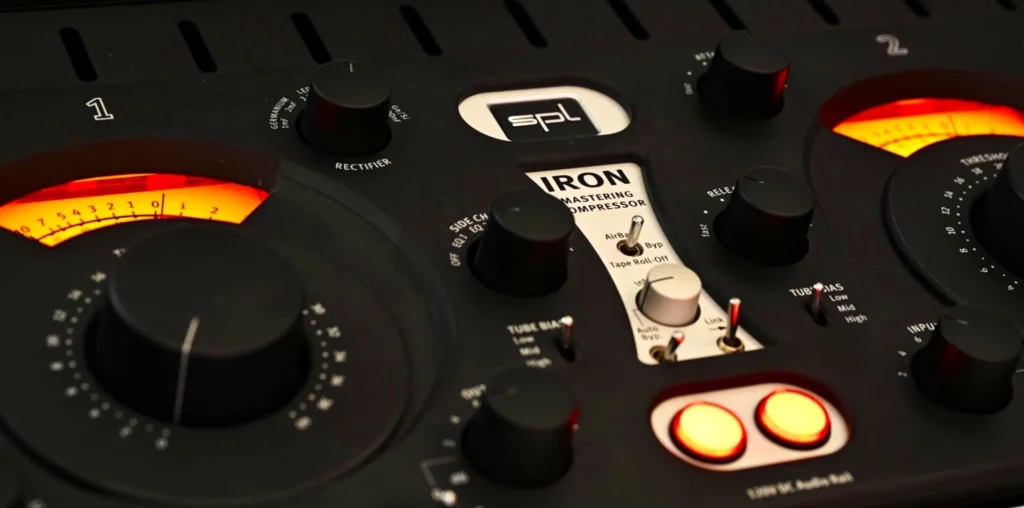
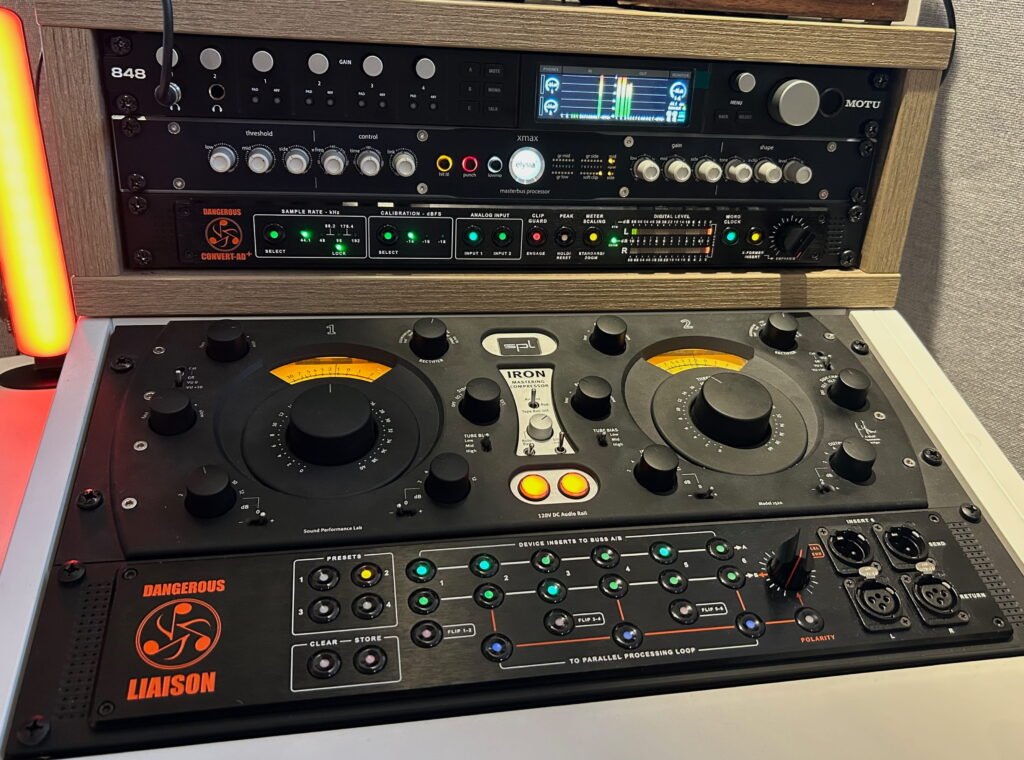
Analogue equipment will tend to provide a more musical, cohesive, warm and fuller sound in mastering. The benefit of analogue over digital is often small when comparing individual processes and tends to be greater over a complete mastering chain. Digital processing has come a long way in the last decade, however, which is why we might use plugins for some of the steps in mastering.
Yes, for most tasks, but digital has an important role to play. Analogue equipment is usually better for broad strokes in shaping the master (EQ, compression). Digital processing is often better for the finer details (e.g., surgical EQ) and final limiting.
A hybrid music mastering studio is one that includes both analogue processing equipment (i.e., outboard) and digital processors (i.e., plugins). Most modern studios will use a hybrid approach to get the best of both worlds.