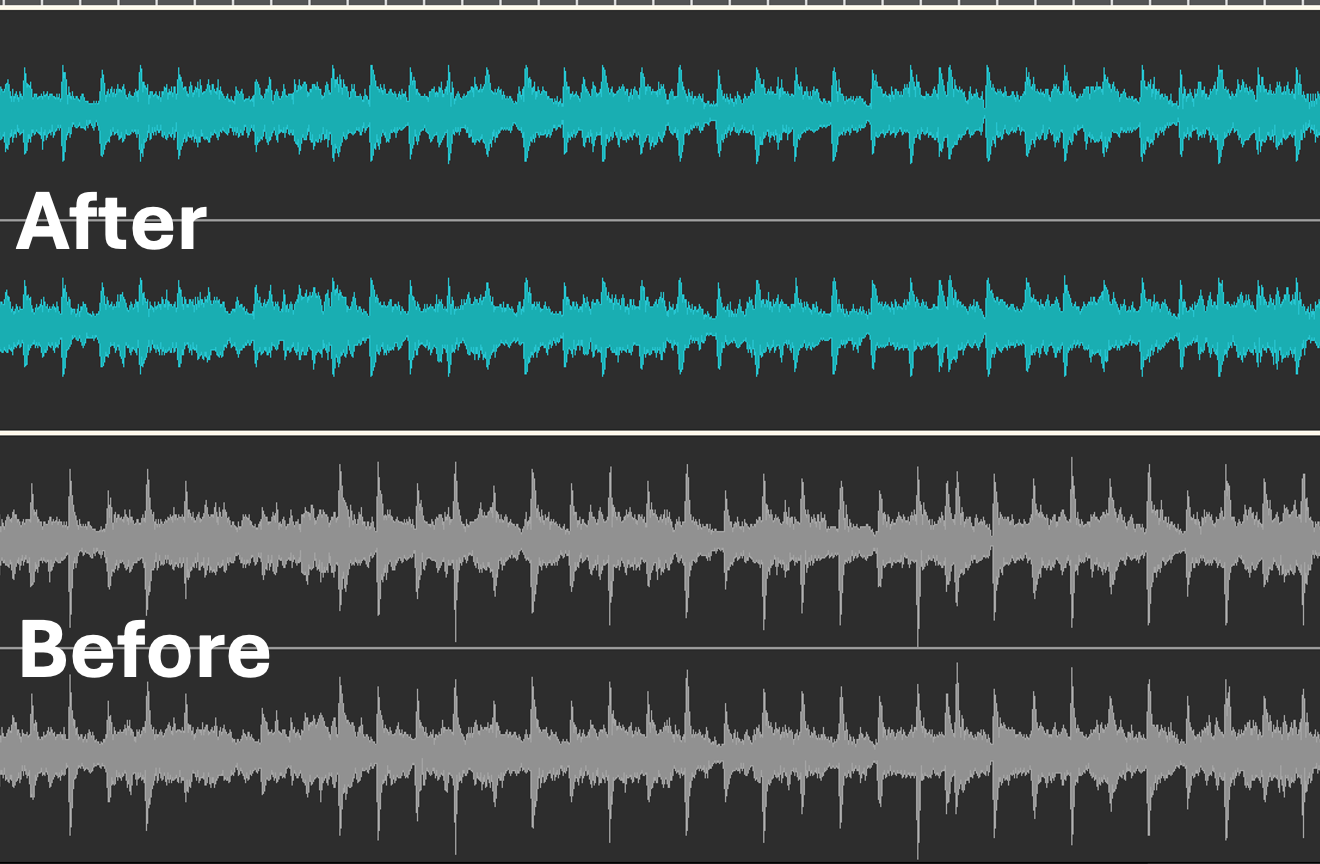

Electronic music (Techno, Bass, House) lives and dies by its punch and low-end. This article explains the process of managing transients in music mastering with a compressor and clipper to control and shape peaks before final limiting.
Managing transients in music mastering will enhance the sense of attack, especially in electronic music. The click at the front of a kick drum, the crack of a snare, and the pluck of a synth bass all begin as short bursts of high energy. These bursts provide clarity and impact. Manage them well and a track will sound punchy. Manage them poorly and the track can sound dull, harsh, or crushed. Managing transients in music mastering is about controlling those sharp peaks without removing the energy behind them.
What Are Transients in Music Mastering?
In simple terms, a transient is the initial attack of a sound, the brief moment before the body and decay of the note become audible. Transients influence how a sound is perceived and give music much of its clarity and impact, from punchy drums to percussive synths. In electronic music they also carry energy and expressiveness, especially when drums drive the track.
Why Do We Need to Consider Managing Transients in Music Mastering?
Mastering usually means raising the average loudness of a track so it competes with other releases. Transients are brief, however, so as the average level rises the gap between the loudest peaks and the body of the sound shrinks. At some point the peaks have to be controlled.
If the final limiter does this alone, it clamps down hardest on the strongest peaks like a snare or kick drum, leaving a master that sounds harsh or flat with the impact missing. Giving the limiter a few dB (1-3 dB depending on the music) less gain reduction can make a large difference to quality, especially on transient-heavy sounds. The answer is to control the peaks before they reach the limiter.
Using the Elysia Xmax to Shape and Control Transients
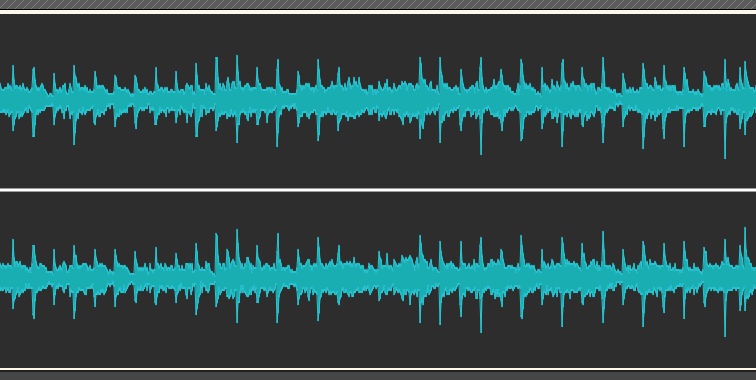
One reliable route is to manage transients before the limiter with a clipper or compressor. Placed on the stereo bus ahead of the final limiter, it reacts to the fastest, loudest part of each sound. The limiter then has less work to do, which is why this approach preserves punch better than aggressive limiting alone. The Elysia Xmax is a multiband compressor and clipper that is ideal for managing dynamic range and controlling peaks.
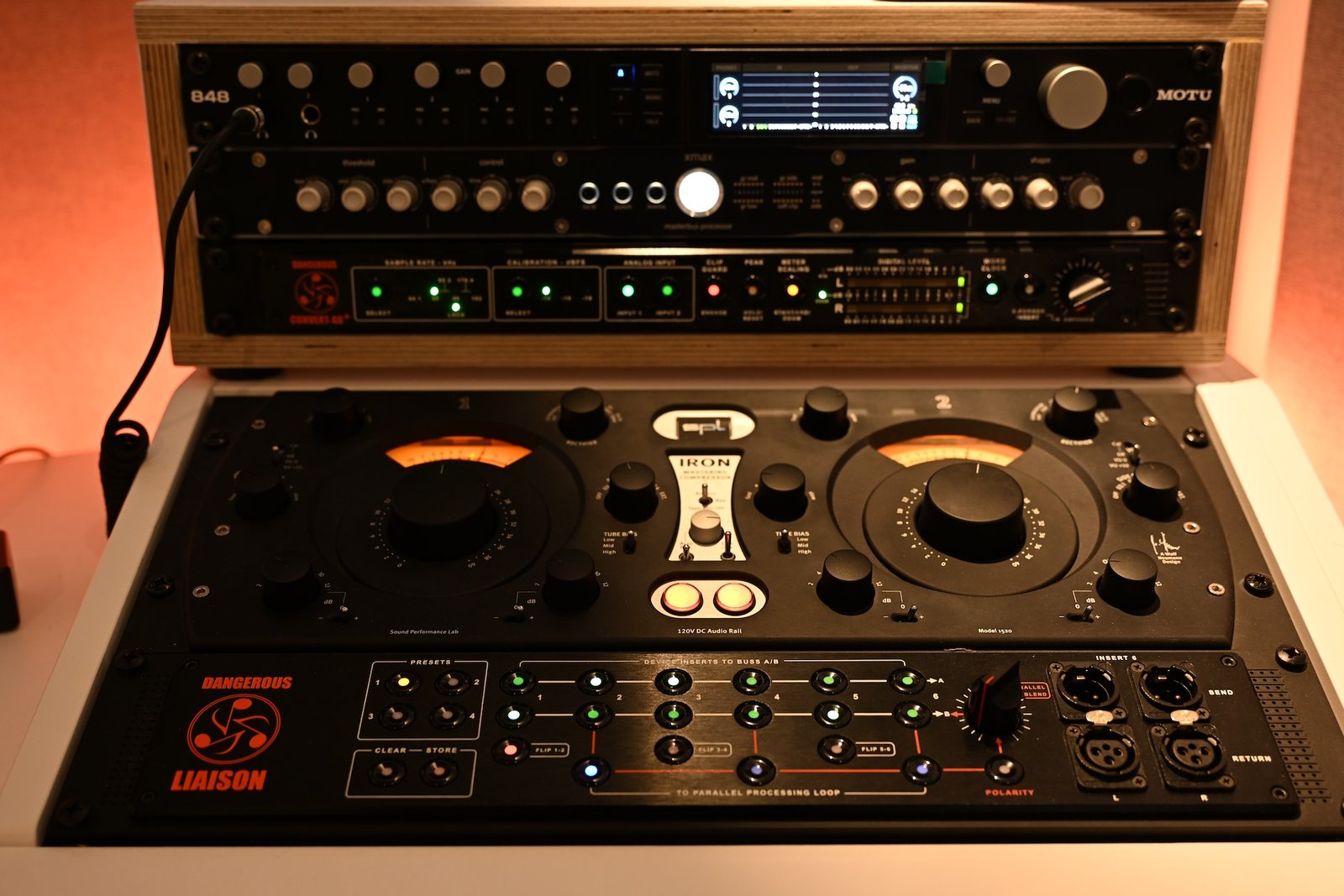
Specifically, the Xmax is a mid-side compressor with a variable crossover that separates the mids into two bands, low and mid (mid is essentially anything above the crossover ‘x-freq’ threshold), and a third band for the sides of the stereo image. Each band (low, mid, side) has individual threshold controls and individual controls for make-up gain. The relationship between the bands on the Xmax is via the ‘link’ dial. This allows for continuous variation between complete unlinking of the three bands to fully linked bands (i.e., like a standard compressor). This is very handy where you might want to trigger compression on only one band or have more compression on one band than the others (tip: use the link control in combination with the individual threshold controls on each band). There is also a soft-clipper limiter (‘s-clip’) which is a relative of the clipper in the impressive Alpha compressor.
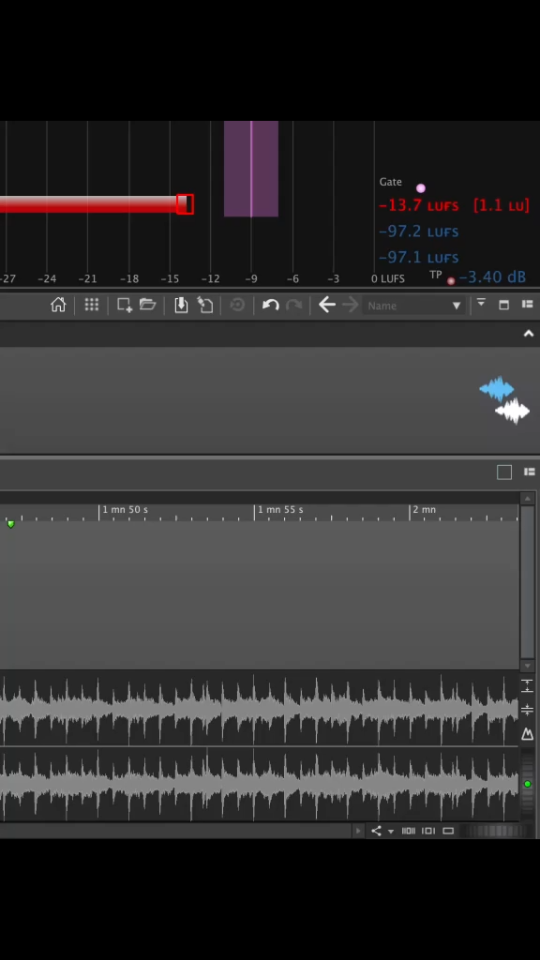
The video below shows the s-clip in action and the benefits before limiting for a mix.
Automated Attack to Shape the Peaks
A compressor with a fast attack starts working as the sound arrives, which is where the transient lives. React too slowly and the peak escapes before gain reduction begins; react too quickly and the life can be sucked out of transients. The Xmax automatically sets the attack based on the material. It catches and shapes e.g., the click of the kick or the crack of the snare, so the signal is controlled without sounding squashed. The ‘Punch’ (on or off button) effectively acts like a ratio control on a traditional compressor.
Tune the Release to the Groove
Release time decides when gain returns to normal after the transient passes. Too short and the track pumps; too long and the compressor drains energy from the next beat and overly smoothes the audio. In electronic music the release usually follows the tempo of the drums. Adjust it until the gain recovers naturally between hits, and the groove keeps moving while the peaks stay under control.
Use Makeup Gain for Honest Comparisons
Compression lowers the overall level, so makeup gain brings the output back up. Gentle compressors with finely tuned threshold, release, and makeup gain controls work well for most masters. In mixing you may go with less subtle settings. Compare the processed signal with the bypassed version at the same level. A louder signal always seems better even when it is less punchy, so level matching keeps the comparison honest. The example below shows the before and after effects of managing transients in an electronic music mastering session with the Elysia Xmax.
A Practical Approach for Electronic Mixes
A dependable way to start with a dense electronic mix is to follow these steps. Here we use the Elysia Xmax as an example for the processing steps.
- Insert the Xmax on the stereo bus before the final limiter.
- Vary the threshold dials for the bands until the meter catches the start of drum hits rather than sustained sections.
- Set the release so gain returns between beats without pumping.
- Use the link control to vary between fully linked and unlinked bands (to suit your taste and needs of the mix).
- Use the soft clipper limiter to shape and reduce the peaks.
- Match the processed level to the bypassed level using makeup gain (on each band and overall using the ‘level’ control).
Once peaks are controlled here the mix will have more headroom and the limiter can add the final level without smearing the attack of every drum hit. This division of work keeps energy and clarity in a busy electronic master.
Preserve the Impact, Not Just the Peaks
The goal is never to remove transients completely. Transient shaping can change how a track feels, so the aim is to work gently and preserve the energy of the original mix. When the Xmax handles only the loudest peaks and the limiter adds the final level, the master sounds strong without turning harsh.
This fine detail shapes the final sound of an electronic record. At Orange Polygon, controlling transients is an important part of our mastering work for electronic music clients. If you want to hear how your mix responds to careful transient control with the Xmax, the free test master is the simplest way to find out.
Frequently Asked Questions
What is a transient in audio?
A transient is the brief, high-energy burst at the very start of a sound. It gives a kick drum its click, a snare its crack, and a plucked bass its definition. Transients shape clarity and impact, and they carry much of the energy and expressiveness of a performance. Managing transients in music mastering means reducing harsh peaks when needed without losing the life at the front of each sound.Why do mastered tracks sometimes sound harsh or flat?
If the final limiter has to control every peak, it tends to reduce the strongest transients most severely. The click of the drum disappears and the top of the sound can turn harsh or brittle. Giving the limiter less work, sometimes as little as 1-3 dB less gain reduction, often improves clarity while the average loudness stays competitive. The track keeps its dynamic feel without sounding weak.How do I use the Elysia Xmax to manage transients?
Place the Xmax on the stereo bus before the limiter. Turn the threshold controls (low, mid, side) until only drum hits and other sharp peaks trigger gain reduction. Set a release that follows the tempo of the track, then match the output level with makeup gain. The peaks are controlled early and the impact and punch of the mix remain.Is a compressor better than a limiter for controlling transients?
Both have a place in a mastering chain. A limiter keeps peaks below a ceiling, which is essential at the very end of the mastering process. A compressor is less destructive and can shape a transient more flexibly because it reacts at the start of the sound and lets the body of the note continue. Use a processor like the Xmax to handle the peaks first, then let the limiter add final loudness without working too hard.